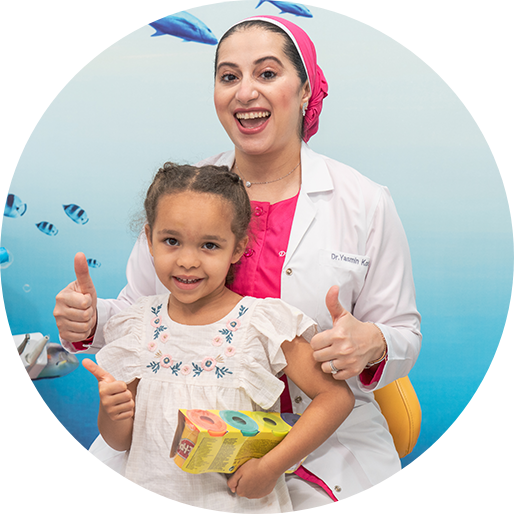
Medically reviewed by Dr. Yasmin Kottait, MSc Pediatric Dentistry, IBCCES Certified Autism Specialist, 20+ years caring for children’s teeth.
Quick Answer
Dried fruit and fruit-based snack bars fill lunchboxes across the city. Parents pack them with the best intentions. These foods concentrate natural sugars into a soft, sticky form. That form settles into the grooves of back teeth and stays there long after lunch ends. Cavity-causing bacteria then get a generous window to work in. A Pediatric Dentist in Dubai therefore looks at texture and timing, not only sugar content.
Small adjustments keep lunch delicious and protect the smile. Serve sticky foods with a meal instead of alone. Offer water straight afterwards. Finish the day with a thorough brush. Dr. Yasmin Kottait helps families fine-tune these habits and spot early changes at the right moment.
Which Lunchbox Favourite Deserves a Closer Look?
Raisins, dried mango, apricot strips, date bars, and fruit leather all behave in much the same way. Drying removes the water and leaves the natural sugars behind in a chewy, concentrated form that clings to enamel.
Fresh fruit is a different story. It carries plenty of water, so the sugars arrive diluted, and the fibre keeps your child chewing. All of it clears from the mouth within a few minutes.
Crackers and puffed snacks deserve a place in this conversation too. Refined starch breaks down into simple sugar right on the tooth surface, and the pasty texture holds it there. A Kids Dentist Dubai parents trust will usually raise both food groups together.
What Happens After Lunch
Your child’s mouth hosts a large community of bacteria, which is completely normal. When those bacteria meet sugar, they begin producing acid within minutes, and that acid softens the mineral surface of the enamel.
Saliva then takes over as your child’s own repair system. It rinses the area, neutralizes the acid, and carries minerals back into the tooth. The process needs a stretch of quiet time, generally somewhere around twenty to forty minutes.
This is why contact time matters so much. A sticky snack lodged in a molar keeps restarting the acid cycle through the whole afternoon, which leaves saliva with no real window to work in. Understanding that rhythm remains highly important for diet counselling in Pediatric Dentistry Dubai.
Easy Swaps for the Morning Rush
Instead of |
Pack this |
Why it works |
| Raisins, dried mango | Grapes, apple slices, berries | Water and fibre clear the mouth quickly |
| Fruit leather, date bars | Cheese cubes with wholegrain crackers | Cheese adds calcium and keeps the mouth balanced |
| Salty crackers, puffed snacks | Cucumber, carrot, or pepper sticks | Crisp textures clean the teeth while your child chews |
| Juice pouches | Plain water | Rinses the teeth with every sip |
| A treat packed on its own | The same treat with the main meal | Mealtime saliva handles sugar far better |
Your child keeps the flavours they enjoy, and their teeth get a proper break between meals.
Timing Counts as Much as the Food
This point surprises most parents, and it changes lunchbox planning more than any single swap.
Snacks eaten together in one sitting create a single acid episode. The same snacks nibbled across the afternoon create five or six, even though the total sugar stays identical. A child who grazes on raisins between lessons gives enamel very little time to recover.
Setting clear snack breaks solves it neatly. Your child still enjoys everything on the menu, and saliva gets the long, uninterrupted gaps it needs.
Early Signs You Can Spot at Home
You see your child’s smile every day, which puts you in a better position than anyone to notice the first changes. Keep an eye out for:
- Chalky white lines tracing the gumline, most often on the upper front teeth
- Brown or dark spots settling into the chewing surface of back molars
- Food catching in the same spot every single day
- Sensitivity to cold drinks or sweet foods
- Chewing on one side of the mouth only
Mention anything you notice to the best Dentist for kids in your area. Dr. Yasmin reviews these areas at every six-month consultation, so most changes surface while the solution is still straightforward.
Gentle Options If Decay Has Already Started
Some families arrive having spotted the signs late, and Dr. Yasmin meets that moment with reassurance. She always begins with the gentlest option that suits the child in front of her.
Prevention comes first. Where the enamel surface is still intact, fluoride treatment, better brushing technique, and a few diet changes can help early white spots recover on their own.
Silver diamine fluoride stops active decay with a simple, painless application. It suits toddlers and any child who needs to warm up to treatment gradually.
Fillings for milk teeth restore the tooth once decay reaches the softer layer beneath the enamel. Dr. Yasmin completes most fillings with the child comfortably awake.
Root canal for milk teeth becomes the right answer when decay reaches the nerve, and it sounds far bigger than it is. A root canal for milk teeth saves the tooth, keeps chewing comfortably, and holds the space open for the adult tooth developing underneath. That preserved space protects your child’s future alignment. Dr. Yasmin often finishes with a white zirconia crown, which gives the tooth strength and a natural finish.
Children who feel nervous receive extra time and playful, calming support at every step.
Frequently Asked Questions
Is dried fruit really harder on teeth than fresh fruit?
It carries more sugar in a much stickier form, so it stays in contact with enamel for longer. Serving it with a meal and following up with water makes a genuine difference.
How often should my child brush if dried fruit is a lunchbox regular?
Twice a day with fluoride toothpaste remains the baseline. A Pediatric Dentist in Dubai may also suggest flossing where the back teeth sit tightly together.
Why save a baby tooth with a root canal instead of removing it?
That tooth guides the adult tooth into position and keeps chewing comfortably. A root canal for milk teeth protects the natural spacing until the replacement arrives.
Is water enough on its own after a sticky snack?
Water rinses away a useful amount and encourages saliva to flow, which helps a great deal. A thorough brush later that day completes the job.
When should my child have their first check-up?
Around the first birthday, or whenever the first tooth appears. Early visits let Kids Dentist Dubai families rely on shaping good habits from the very beginning.
Let’s Build a Lunchbox That Protects the Smile Inside It
Everyday food choices shape your child’s dental health quietly, and a handful of swaps keeps paying off for years.
Dr. Yasmin Kottait brings an MSc in Pediatric Dentistry, IBCCES autism-specialist certification, and more than 20 years of caring for children at her clinic in Dubai Healthcare City.
Would you like a closer look at your child’s diet and a fresh start for their teeth? Get in touch with the clinic to book a consultation.